


Aramid Fabric
IMPACT is one of the most professional aramid fabric manufacturers and suppliers in China. Please feel free to wholesale high quality aramid fabric at competitive price from our factory. For more cheap products, contact us now.
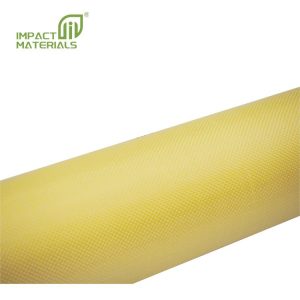
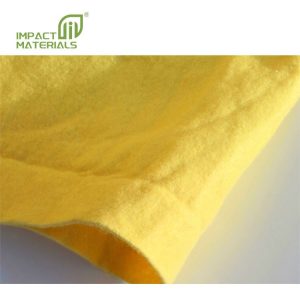
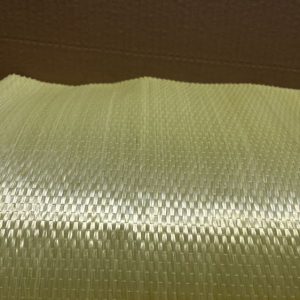
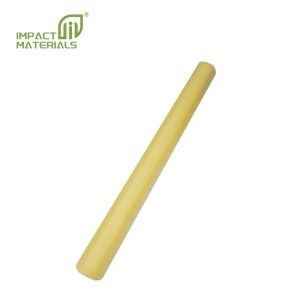
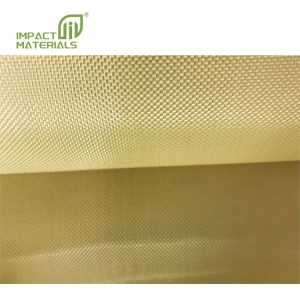
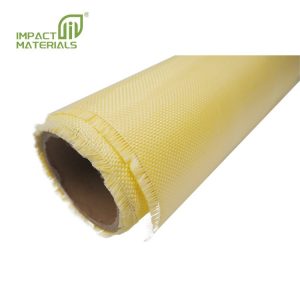
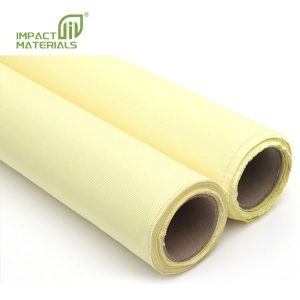
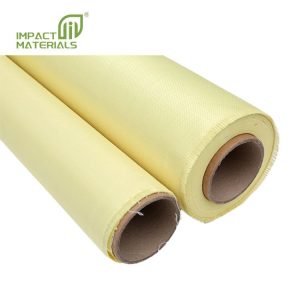
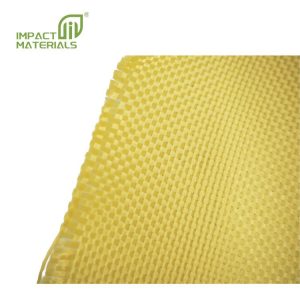
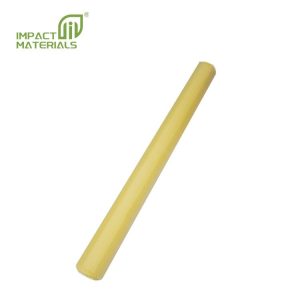
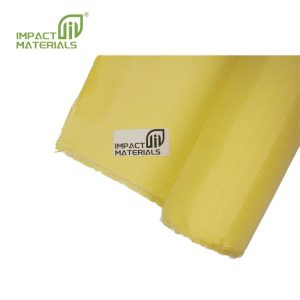
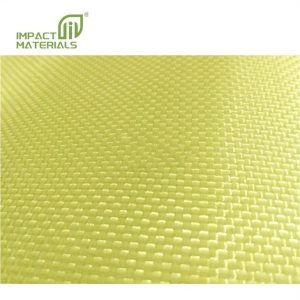
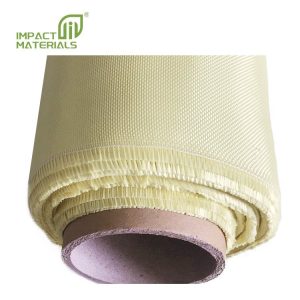
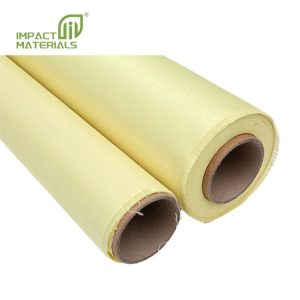
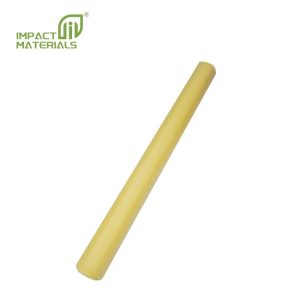
a comprehensive analysis of high-performance Aramid fabrics
1.Basic knowledge of aramid fabrics
1. Definition of aramid fabric
Aramid fabric, the full name of which is aromatic polyamide fiber fabric, is a new type of high-tech synthetic fiber fabric. It is made by polycondensation of aromatic diamines and aromatic dicarboxylic acids. The molecular chain contains a large number of aromatic ring structures. This unique chemical structure gives aramid fabric many excellent properties.
From the name, “aramid” is the abbreviation of “aromatic polyamide”, which highlights the existence of aromatic groups in its molecular structure. Aramid fabrics have shown excellent application value in many fields with their high strength, high modulus, high temperature resistance, flame retardancy and other characteristics, and have become an indispensable high-performance material in modern industry and high-end technology.
2. Classification of aramid fabrics
Aramid fabrics are mainly divided into para-aramid and meta-aramid, each of which has its own characteristics in structure, performance and application.
The molecular chains of para-aramid are arranged linearly and have a regular structure. They have the characteristics of high strength and high modulus. Their strength is 5-6 times that of steel wire, and their modulus is 2-3 times that of steel wire or glass fiber. Representative products include DuPont’s Kevlar, which is widely used in bulletproof protection, aerospace and other fields.
The molecular chain of meta-aramid is zigzag, with excellent heat resistance and flame retardancy. It can be used for a long time at a high temperature of 260°C, with a limiting oxygen index (LOI) greater than 28%, and will not melt or drip. Representative products include DuPont’s Nomex, which is often used in protective clothing such as fire suits and high-temperature work clothes.
| Classification | Molecular structure | characteristic | Representative Products | Application Areas |
| Para-aramid | Linear arrangement, regular structure | High strength, high modulus | Kevlar | Ballistic protection, aerospace |
| Meta-aramid | Jagged | Heat resistant, flame retardant | Nomex | Protective clothing |
3. Development history of aramid fabrics
The development of aramid fabrics is a history of technological innovation. In the 1960s, DuPont in the United States took the lead in developing meta-aramid, with the trade name Nomex, which was the first key node in the development of aramid fabrics. Its emergence brought a revolutionary breakthrough in the field of high-temperature protection. With its excellent heat resistance and flame retardant properties, it was quickly applied to protective clothing such as firefighter uniforms.
In the 1970s, DuPont successfully developed para-aramid, or Kevlar. Para-aramid has ultra-high strength and modulus, and has shown great advantages in high-end fields such as bulletproof protection and aerospace, becoming another major milestone in the development of aramid.
Since then, with the continuous advancement of science and technology, countries have increased their investment in the research and development of aramid fabrics, the production process has gradually matured, the product performance has been continuously improved, and the application field has become increasingly extensive. Today, aramid fabrics have become an indispensable high-performance material in modern industry and high-tech fields.
2. Characteristics and advantages of aramid fabrics
1. Physical properties
Aramid fabrics have exceptional physical properties that make them stand out among many high-performance materials.
High strength is one of the remarkable features of aramid fabrics. For example, para-aramid is 5-6 times stronger than steel wire and can withstand huge tensile forces without breaking easily. This feature makes it play an important role in the field of bulletproof protection, such as being used to make bulletproof vests and bulletproof helmets, which can effectively resist the impact of bullets and sharp objects.
High modulus is also an important physical property of aramid fabrics. Its modulus is 2-3 times that of steel wire or glass fiber, which means that when subjected to force, aramid fabrics deform less and can maintain good shape stability. In the aerospace field, aramid fabrics are used to manufacture aircraft fuselages, rocket engine casings, etc., which can improve the structural strength and stability of aircraft.
In addition, aramid fabrics also have the advantage of low density. Its density is much lower than that of steel wire, only about one-fifth of that of steel wire. This makes products made of aramid fabrics lighter, which helps reduce the weight of equipment and improve energy efficiency in the fields of aerospace, automotive industry, etc.
2. Chemical properties
Aramid fabrics have excellent chemical properties, enabling them to perform exceptionally well in complex and harsh environments.
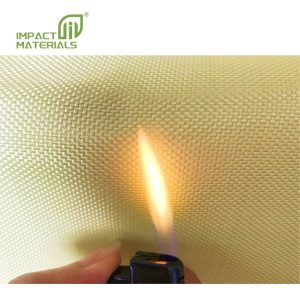
Heat resistance is one of the important chemical properties of aramid fabrics. Meta-aramid can be used for a long time at a high temperature of 260°C without melting or dripping. For example, in the field of firefighting, firefighting uniforms are made of aramid fabrics, which can provide reliable protection for firefighters in high-temperature fire environments and ensure their safety.
Flame retardancy is also a significant advantage of aramid fabrics. Its limiting oxygen index (LOI) is greater than 28%, which means it is not easy to burn in the air. In industrial production, some high-temperature workshops use aramid fabrics for work clothes, which can effectively prevent fire accidents and reduce casualties and property losses.
Aramid fabric also has good chemical corrosion resistance. It can resist the erosion of many chemical substances, such as acid and alkali. In the chemical industry, workers wear protective clothing made of aramid fabric to avoid skin contact with chemical substances and get hurt.
In addition, aramid fabrics have certain radiation protection properties. In some special working environments, such as nuclear power plants and scientific research laboratories, aramid fabrics can be used to make radiation protection clothing to protect workers from radiation hazards, demonstrating its chemical stability in different environments.
3. Other features
In addition to its physical and chemical properties, aramid fabrics also have other properties such as wear resistance, anti-static, heat insulation, and non-conductivity, which further expand their application range.
Wear resistance is one of the remarkable characteristics of aramid fabrics. Its surface structure is tight and the fibers are firmly bonded, which can withstand frequent friction and wear. In the industrial field, conveyor belts and ropes made of aramid fabrics can be used for a long time in harsh working environments, reducing the frequency of replacement and improving production efficiency.
Anti-static performance is also an important advantage of aramid fabrics. In some static-sensitive environments, such as electronic chip manufacturing workshops, workers wearing aramid fabric work clothes can effectively prevent static electricity from being generated, avoid static electricity from damaging electronic components, and ensure production stability and product quality.
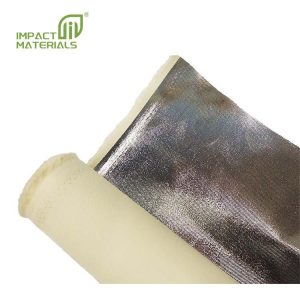
Aramid fabric also has good thermal insulation properties. It can effectively block heat transfer and provide protection for the human body or equipment in high temperature environments. For example, firefighting uniforms are made of aramid fabric, which can effectively block flames and high temperatures, giving firefighters more time for rescue.
In addition, aramid fabrics are non-conductive, a property that makes them widely used in electrical equipment manufacturing, power maintenance and other fields. Workers wearing protective clothing made of aramid fabrics can avoid the risk of electric shock and ensure their own safety.
3. Diverse uses of aramid fabrics
1. Bulletproof protection field
Aramid fabrics play a vital role in the field of ballistic protection and are ideal materials for manufacturing high-performance bulletproof equipment.
In terms of bulletproof vests, aramid fabrics can effectively disperse the impact of bullets and prevent bullet penetration due to their high strength and high modulus. For example, the bulletproof vests widely used by the US military use aramid fibers in their core protective layer, which can provide reliable protection for soldiers and greatly reduce casualties on the battlefield.
Bulletproof helmets are also an important application scenario for aramid fabrics. Aramid helmets are light, comfortable to wear, and have excellent bulletproof properties. In the wars in Iraq and Afghanistan, the aramid bulletproof helmets worn by US soldiers successfully resisted a large number of shrapnel and bullet attacks, protecting the soldiers’ heads.
In the field of bulletproof vehicle armor, the composite use of aramid fabrics and other materials can significantly improve the vehicle’s bulletproof ability. Some armored vehicles used by special forces use aramid reinforced armor, which effectively resists attacks from various weapons while ensuring the mobility of the vehicle, providing a safe protective environment for the personnel inside the vehicle.
2. Aerospace
Aramid fabrics play a key role in high-performance composite materials in the aerospace field, making a huge contribution to improving the performance of aerospace equipment.
In the manufacture of aircraft fuselages, aramid fabrics have become ideal structural materials due to their high strength and low density. Compounding aramid fibers with materials such as resins can produce high-strength and light-weight fuselage parts. This not only reduces the weight of the aircraft and reduces fuel consumption, but also increases the flight speed and range of the aircraft. For example, some Boeing models use aramid composite materials in the fuselage structure, which effectively improves the overall performance of the aircraft.
For rocket engine casings, the high modulus and heat resistance of aramid fabrics make them an important application material. They can withstand the high temperature and high pressure generated during rocket launches to ensure the structural integrity of the engine. At the same time, the low density of aramid fabrics helps to reduce the weight of rockets and improve their carrying capacity. In the research and development of some new rockets, the application of aramid composite materials has significantly improved the performance and reliability of rockets and promoted the development of aerospace industry.
3. Industrial field
Aramid fabrics are widely used in the industrial field and play an important role in industrial products such as ropes, cables, and conveyor belts. They are indispensable high-performance materials in the heavy industry field.
In rope manufacturing, aramid fabrics are an ideal material choice due to their high strength and wear resistance. Aramid ropes are much stronger than ordinary ropes and can withstand greater tension, making them suitable for heavy operations such as lifting and traction. At the same time, their wear resistance ensures that the ropes can maintain good performance under frequent use and friction, extending their service life and reducing replacement costs.
In the field of cables, the application of aramid fabrics improves the performance and reliability of cables. Aramid fibers have good flexibility and tensile strength, which can effectively protect the wires inside the cable and prevent them from being damaged during installation and use. In addition, the flame retardancy and heat resistance of aramid fabrics allow the cable to operate safely in high temperature environments, reducing fire hazards.
In terms of conveyor belts, the high strength and wear resistance of aramid fabrics make it a high-quality material for conveyor belts. Aramid conveyor belts can withstand heavy loads and high-speed operation, reducing wear and breakage of conveyor belts and improving production efficiency. At the same time, its chemical corrosion resistance makes it suitable for various harsh industrial environments, such as chemical, mining and other industries.
The application of aramid fabrics in the industrial field has improved the performance and reliability of industrial products, reduced production costs, and provided strong support for the development of heavy industry.
4. Protective clothing field
Aramid fabrics are widely used in the field of protective clothing, providing reliable protection for people in dangerous environments.
Firefighting suits are one of the typical applications of aramid fabrics. Meta-aramid has excellent heat resistance and flame retardancy, and can be used for a long time at a high temperature of 260°C without melting or dripping. Firefighters wearing aramid firefighting suits entering the fire scene can effectively block flames and high temperatures, greatly reducing the risk of burns. Its good thermal insulation performance can buy more rescue time for firefighters and protect their lives in extreme environments.
Cut-resistant gloves are also protective equipment where aramid fabrics play an important role. The high strength of para-aramid makes the gloves have excellent cut-resistant capabilities. In industrial production, glass processing and other industries, workers wearing aramid cut-resistant gloves can effectively prevent their hands from being cut by sharp objects, protect their hands from injury, and improve work safety.
In addition, in protective clothing such as high-temperature work clothes and arc protection clothing, aramid fabrics also provide all-round protection for the wearer with their unique properties, reducing the occurrence of occupational injuries.
5. Automobile industry
Aramid fabrics play an important role in many key components in the automotive industry, significantly improving the safety and performance of vehicles.
In terms of tire cord, the high strength and low elongation of aramid fabrics make it an ideal material. Compared with traditional cord materials, aramid cords can withstand greater pressure, reduce tire deformation under high-speed driving and heavy load conditions, and improve tire stability and handling. At the same time, the lightweight characteristics of aramid cords help reduce the rolling resistance of tires, thereby reducing the fuel consumption of vehicles and improving fuel economy.
The brake pads are made of aramid fabric, which can effectively improve the braking performance. The high temperature and wear resistance of aramid fiber enables the brake pads to maintain a stable friction coefficient under the condition of frequent braking and high temperature, ensuring the reliability of the braking effect. This not only improves the braking safety of the car, but also extends the service life of the brake pads and reduces the replacement cost.
The clutch plate uses aramid fabric to enhance its wear resistance and heat resistance. During frequent clutch operations, the aramid clutch plate can withstand high temperatures and friction, reduce wear, ensure smooth engagement and separation of the clutch, and improve driving comfort and controllability. At the same time, its good performance stability also helps to extend the service life of the clutch and reduce maintenance costs.
The application of aramid fabrics in automotive parts has provided strong support for improving the safety and performance of automobiles and promoted the development of the automotive industry.
6. Sporting goods field
The application of aramid fabrics in the field of sporting goods has greatly improved the performance of sports equipment and created better competitive conditions for athletes.
In the manufacture of racing boats, the application of aramid fabrics is very important. Racing boats need to have the characteristics of high strength and light weight to improve sailing speed and maneuverability. The high strength of aramid fabrics enables it to withstand the huge pressure generated by racing boats at high speeds, while its low density can effectively reduce the weight of racing boats. Racing boats made of aramid fabrics are not only more durable, but also travel faster in the water, providing strong support for athletes to achieve excellent results in competitions.
The use of aramid fabric in bicycle frames can significantly improve the performance of bicycles. The high modulus of aramid makes the bicycle frame deform less when subjected to force, ensuring the stability and controllability of riding. At the same time, its lightweight advantage reduces the overall weight of the bicycle, making it easier for riders to accelerate and climb. In addition, the good toughness of aramid fabric can also absorb road vibrations and improve riding comfort.
Climbing ropes are essential safety equipment in mountaineering, and the application of aramid fabrics has brought a qualitative leap in their performance. Aramid climbing ropes have high strength and wear resistance, and can withstand the huge pulling force of climbers during the climbing process, while resisting the friction of objects such as rocks. Even in harsh environments, aramid climbing ropes can still maintain good performance, providing reliable protection for the life safety of climbers.
4. Product parameters of aramid fabrics
1. Common specifications and parameters
Common specifications of aramid fabrics include yarn count, weight, thickness and width, which have an important impact on the performance and application of the product.
The yarn count reflects the thickness of the aramid fiber, and common specifications include 200D – 3000D. The higher the count, the finer the fiber, and the softer and thinner the fabric may be; the lower the count, the coarser the fiber, and the fabric may be stronger and more durable.
Gram weight refers to the weight of fabric per square meter, usually expressed in gsm. Common gram weights are between 60 – 500gsm. Fabrics with higher gram weights are usually thicker and stronger, suitable for scenes with higher strength requirements; fabrics with lower gram weights are relatively thin and light, more comfortable to wear, and suitable for some applications with higher flexibility requirements.
In terms of thickness, there are different types such as lightweight and medium weight. Lightweight fabrics are thinner and are generally suitable for occasions that require higher weight and flexibility; medium weight fabrics achieve a better balance between strength and comfort.
Width is also an important specification parameter. Common widths include 43/44 inches, 150cm, etc. Different widths can be selected according to specific production needs and application scenarios.
| parameter | Parameter range |
| Yarn count | 200D – 3000D |
| Weight | 60 – 500gsm |
| thickness | Lightweight, medium weight, etc. |
| width | 43/44 inches, 150cm, etc. |
2. Customization of special specifications
Aramid fabrics can be customized with special specifications according to different needs. In terms of weight, if customers need lighter or heavier fabrics, manufacturers can accurately adjust the production process and customize the weight to meet specific strength and comfort requirements. For width, it can break through common specifications and be customized according to the actual production needs of customers to ensure maximum fabric utilization. Color customization is also possible. In addition to the conventional yellow, various colors can be mixed to meet the aesthetic needs of different application scenarios. In addition, yarn count, style, etc. can also be customized to provide more suitable high-performance aramid fabrics for various industries.
3. Effect of parameters on performance
The various parameters of aramid fabrics have a significant impact on their performance.
Yarn count affects the strength and softness of fabrics. A lower yarn count means thicker fibers, higher fabric strength, and greater tensile strength, which excels in areas that require high strength, such as bulletproof protection and industrial ropes. A higher yarn count means finer fibers, and relatively soft, light, and thin fabrics, which are more comfortable to wear and are suitable for protective clothing and other applications that require flexibility.
The gram weight is related to the strength, flame retardancy and thermal insulation of the fabric. Fabrics with a higher gram weight have a tighter structure, higher strength and better resistance to external impact. At the same time, their flame retardancy is also better, providing more reliable protection in high temperature environments. In addition, fabrics with a higher gram weight have better thermal insulation and can effectively block heat transfer. On the contrary, although fabrics with a lower gram weight have relatively weaker strength and flame retardancy, they are lighter and more flexible.
Thickness also affects the performance of the fabric. Thicker fabrics are stronger and more abrasion-resistant, and can withstand more severe use environments, but may affect wearing comfort and flexibility. Thinner fabrics perform well in terms of comfort and flexibility, but are relatively weak in protection.
Width has a certain influence on the processing and application of aramid fabrics. Appropriate width can improve production efficiency and reduce cutting waste. In the manufacture of some large industrial products, wider fabrics can better meet production needs.
5. Production and supply of aramid fabrics
1. Production process
The production of aramid fabrics is a complex and delicate process, which mainly includes key links such as fiber manufacturing, spinning and weaving.
Fiber manufacturing is the basis of aramid fabric production. First, aromatic diamines and aromatic dicarboxylic acids are subjected to polycondensation reaction through chemical synthesis to generate aramid polymers. Then, the polymer is dissolved in a specific solvent to make a spinning solution. Next, the spinning solution is extruded through a spinneret or wet spinning process to form continuous aramid fibers. In this process, parameters such as temperature, humidity and stretching need to be strictly controlled to ensure the quality and performance of the fiber.
The spinning process is to process the manufactured aramid fibers into yarns. Through the processes of drawing, roving, and spinning, the fibers are combed, drawn, and twisted so that the fibers are mutually bonded to form yarns with a certain strength and fineness. The process parameters in the spinning process, such as twist and draft ratio, will directly affect the performance of the yarn.
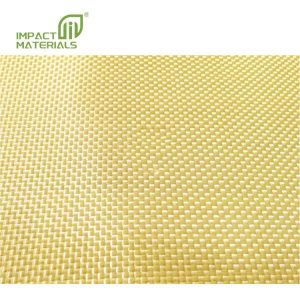
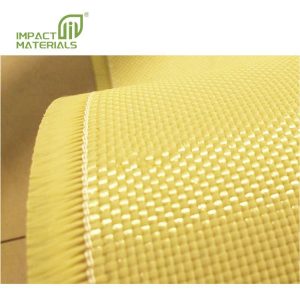
Weaving is the last step in weaving yarn into aramid fabric. Common weaving methods include weaving and knitting. Weaving is the process of weaving warp and weft yarns together to form a fabric, which has the characteristics of stable structure and high strength; knitting is the process of weaving yarns together to form a fabric, which has the advantages of good elasticity and high comfort. In the weaving process, different structures and processes can be used as needed, such as plain weave, twill, satin, etc., to meet different application requirements.
2. Main manufacturers
There are many well-known aramid fabric manufacturers around the world.
In foreign countries, DuPont is the industry leader. It is large in scale and occupies an important position in the global chemical industry. With strong technical strength, it is the first company to develop meta-aramid and para-aramid, and its production technology is mature and advanced. Its products such as Kevlar and Nomex are widely used in bulletproof protection, aerospace and protective clothing, with excellent performance and stable quality.
There are also some excellent manufacturers in China. For example, Tianjin START New Materials Co., Ltd. is part of the START Group, which covers multiple fields such as textiles and composite materials. It consists of four production bases and 12 factories, and is of considerable scale. The company focuses on the development and production of advanced composite materials and has strong technical strength in the field of aramid fabrics. The para-aramid fabrics it produces have flame retardant, high temperature resistant, and cut-resistant properties. The glass transition temperature is higher than 300°C, and the strength retention rate reaches 80% after weaving at 200°C for 48 hours. The product quality is reliable and can meet the needs of the high-end civilian market.
3. Supply type and delivery time
The supply type of aramid fabric is mainly made to order. This mode can customize products according to customers’ specific needs, such as specifications, quantity, color, etc., to meet diverse market needs. In terms of delivery time, samples and mass production are different. If customers need samples, it usually takes 3-5 days to prepare so that customers can test and check the product quality. For mass production, it usually takes 1-2 weeks. The shipping time depends on the selected transportation method. Express delivery methods such as DHL, UPS, FedEx or TNT generally take 3-5 days to arrive, and air and sea transportation may take 7-45 days.
6. FAQs about aramid fabrics
1. Sample ordering issues
Customers can order samples of aramid fabrics. You can place an order by contacting the manufacturer or supplier and requesting samples. The sample price is usually determined based on factors such as the fabric specifications, weight, and process complexity. Generally speaking, it will be slightly higher than the unit price of bulk purchases because it includes the costs of sample production, packaging, and transportation. In terms of sample quantity, manufacturers generally provide a certain number of small samples for customers to test and evaluate. The common sample quantity ranges from 1 to 5 meters, which can be determined through negotiation with the supplier. By ordering samples, customers can intuitively understand the product quality and performance, providing a reference for subsequent bulk purchases.
2. Production cycle issues
The production cycle of aramid fabrics varies depending on the type of production. Sample production is relatively fast, generally taking 3-5 days. This is because sample production is small-scale and only needs to complete basic production processes to demonstrate product characteristics. Mass production takes 1-2 weeks, considering the raw material supply and equipment deployment of large-scale production.
There are many factors that affect the production cycle. Whether the raw material supply is sufficient is crucial. If the raw materials are in short supply, production will inevitably be delayed. The complexity of the production process also has an impact. Fabrics with special specifications or functions require more processes and time. In addition, the larger the order quantity, the longer the production cycle will be.
3. Transportation method and time issues
Common modes of transportation for aramid fabrics include express delivery, air transportation and sea transportation. Express delivery such as DHL, UPS, FedEx or TNT has fast transportation speed, usually 3-5 days to arrive, which can meet the urgent needs of customers, but the cost is relatively high. Air transportation is also fast, usually 7-15 days to complete the transportation, suitable for orders with high time requirements and moderate volume, but the cost is not low. Sea transportation is the most economical way, with a transportation time of 15-45 days, suitable for large-volume cargo transportation, but the transportation cycle is long and may be delayed in bad weather and other conditions.
4. Order process issues
The order process for aramid fabrics includes several key links. The first is to place an order. The customer communicates with the manufacturer or supplier to clarify the product specifications, quantity, delivery time and other details, and signs a contract after reaching an agreement. There are various payment methods, the most common of which are bank transfer, letter of credit, etc. The customer must complete the payment within the specified time as agreed in the contract. In the production stage, the manufacturer arranges production according to the order requirements and strictly controls the quality. After production is completed, the finished product is inspected to ensure that the product meets the standards. The last step is delivery. According to the transportation method selected by the customer, the goods will be shipped in a timely manner, and the logistics order number will be provided so that the customer can track the transportation of the goods.
5. Customization issues
Aramid fabrics can be customized with logos, specifications, colors, etc. For logo customization, customers need to provide a clear logo design draft, and the manufacturer will present it on the fabric through printing, dyeing, embroidery and other processes. In terms of specification customization, the yarn count, weight, thickness, width, etc. mentioned above can be adjusted as needed. Color customization is also possible. The manufacturer has a professional color matching system that can mix the color specified by the customer.
The customization process is generally as follows: the customer first communicates with the manufacturer about the customization requirements and provides relevant designs or parameters; the manufacturer evaluates the feasibility and gives a quotation; the two parties sign a contract after reaching an agreement and the customer pays a deposit; the manufacturer arranges production and conducts inspection after completion; finally the goods are shipped and the customer pays the balance.
6. Payment method issues
Common payment methods for aramid fabrics include bank transfer, letter of credit and cash payment. Bank transfer is a more common method, suitable for domestic and international transactions, easy to operate, and fast payment. When using it, you must confirm that the account information of the payee is accurate to avoid transfer errors. Letter of credit payment is mostly used in international trade, which can protect the rights and interests of both buyers and sellers. The bank, as an intermediary, ensures the security of the transaction, but the procedures are relatively complicated and the fees are high. When using this method, you must carefully review the terms of the letter of credit to prevent discrepancies. Cash payment is generally suitable for small transactions, which is simple and direct, but there are inconveniences in carrying and security risks. When trading, you must pay attention to distinguish the authenticity of cash.
7. Contact customer service
If you have any needs related to aramid fabrics, you can contact manufacturers or suppliers in a variety of ways. On e-commerce platforms such as Alibaba, you can directly find supplier stores and initiate inquiries. You can also obtain contact information through the manufacturer’s official website. The customer service phone number of DuPont Company can be found on its official website; Tianjin START New Materials Co., Ltd. can be communicated through its official email address, and specific information can be found on its official website.
7. Limitations and future development of aramid fabrics
1. Limitation Analysis
Although aramid fabrics have many excellent properties, they also have some limitations. The first is poor UV resistance. Long-term exposure to ultraviolet rays will destroy the molecular structure of aramid fabrics, resulting in reduced strength and performance. Secondly, aramid fabrics have a certain degree of hygroscopicity, which will affect their physical properties after absorbing moisture, such as reduced strength and poor dimensional stability. In addition, aramid fabrics are difficult to process. Due to their high strength and high modulus, fiber breakage and pilling are prone to occur during spinning, weaving and other processing processes, increasing processing costs and difficulty.
There are solutions to these limitations. For the problem of poor UV resistance, UV absorbers can be added or coated to improve its UV resistance. For the problem of hygroscopicity, aramid fabrics can be treated with waterproof and moisture-proof treatments to reduce their moisture absorption rate. In terms of processing, the processing technology can be optimized, and appropriate equipment and tools can be used to reduce fiber damage and improve processing efficiency and quality.
2. Future development trends
In terms of new material research and development, aramid fabrics are expected to be combined with other high-performance materials to develop new materials with better performance. For example, by combining with carbon fiber, glass fiber, etc., combining their respective advantages, we can create composite materials with higher strength, lighter weight and more diverse functions to meet the stringent requirements of high-end manufacturing for materials.
In terms of application expansion, with the advancement of science and technology, aramid fabrics will emerge in emerging fields. In the field of new energy vehicles, they can be used for battery separators, motor insulation materials, etc. to improve battery safety and motor performance. In smart wearable devices, they can be used to make durable and comfortable device shells and internal structural parts due to their lightness, high strength and other characteristics.
In addition, environmental protection and sustainable development are the future trends, and the production process of aramid fabrics will also be improved in the direction of green environmental protection, reducing energy consumption and environmental pollution. At the same time, as the production cost is reduced, aramid fabrics will be popularized in more civilian fields, bringing more convenience and safety to people’s lives.